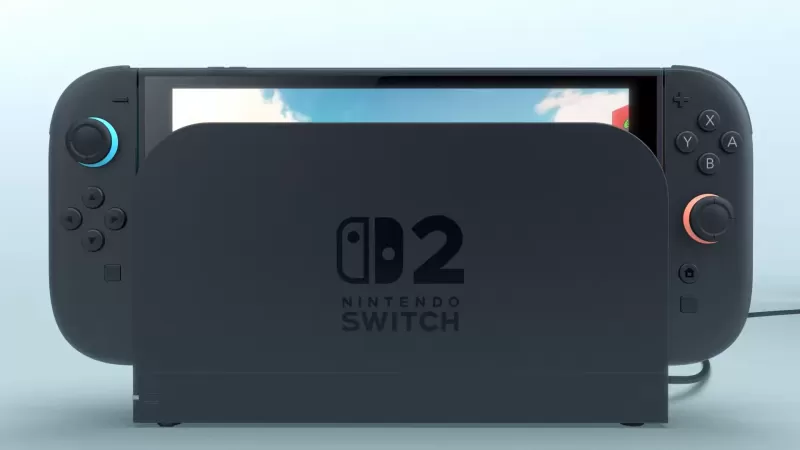
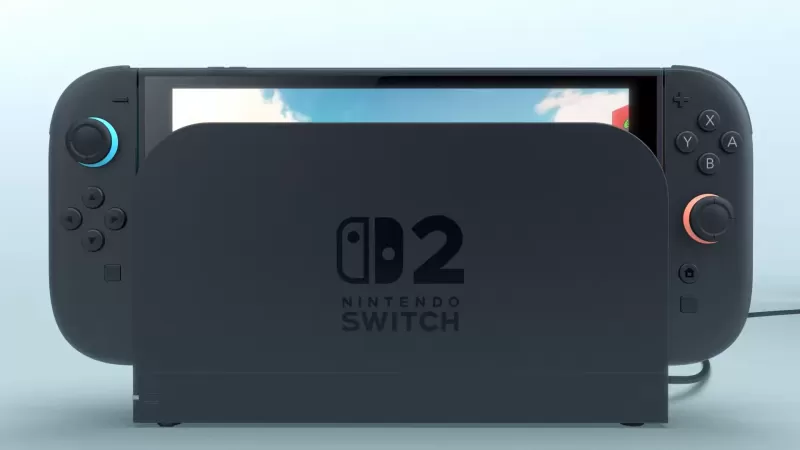
The latest Nintendo Direct finally revealed pricing details for the upcoming Switch 2, answering burning questions about launch titles and release dates. While the showcase delivered exciting announcements, several price points raised eyebrows across the gaming community.
Breakdown of Nintendo Switch 2 Pricing
Console pricing structure:
- Standalone Nintendo Switch 2: $449.99
- Switch 2 + Mario Kart World bundle: $499.99
Accessory costs:
- Pro Controller: $79.99
- Joy-Con 2 pair: $89.99
- Dock Set: $109.99
Notably, Mario Kart World breaks new ground at $79.99 - becoming Nintendo's most expensive standard edition game to date. This represents a significant jump from the $60-$70 pricing we've grown accustomed to in recent years.
Industry Analysts Weigh In
Experts suggest multiple factors influenced these pricing decisions:
1. Economic Realities:
NYU professor Joost van Dreunen describes the pricing as a "strategic balancing act," accounting for rising manufacturing costs and potential trade tariffs. The $50 premium over earlier $400 estimates reflects current market conditions.
2. Regional Strategy:
Analyst James McWhirter notes Japan's unique two-tier pricing - ¥49,980 ($333) for Japanese-only systems versus ¥69,980 ($466) for international models. This cleverly prevents grey market imports while maintaining affordability in Nintendo's home territory.
3. Historical Precedent:
As Piers Harding-Rolls observes, Nintendo has historically priced hardware and games differently than competitors. The company maintains its own valuation metrics independent of market norms.
Why $80 for Mario Kart?
Several theories explain Mario Kart World's premium pricing:
- Future-proofing against economic uncertainty
- Testing consumer tolerance for higher software prices
- Offsetting production costs for next-gen game cards
- Encouraging digital purchases through the Virtual Game Card system
Dr. Serkan Toto offers the simplest explanation: "Nintendo is charging this price because they feel they can and that people will pay."
Market Impact and Expectations
Analysts predict the pricing won't significantly impact initial sales:
- First-year sales projected at 12-15 million units
- Core Nintendo fans will absorb initial stock
- Backward compatibility maintains ecosystem value
The true test comes in year two when broader adoption becomes necessary. As Mat Piscatella notes, "We'll have to see what happens over the next 9-12 months."
While the Nintendo Direct generated excitement, these price increases - coming alongside broader economic pressures - may challenge Nintendo's ability to maintain its traditional family-friendly accessibility in the long term.