Here’s the rewritten HTML content with natural English optimization while preserving all original HTML structure:
Receiving an unexpected call from Nintendo of America's president isn't the kind of opportunity you question—you simply answer. That was designer Chris Maple's mindset in 1998 when warned about the impending call from Nintendo executive Minoru Arakawa.
Maple operated Media Design, a Seattle-based firm specializing in urgent creative solutions. Having served major clients like Boeing and the Seattle Mariners, Maple was accustomed to high-pressure assignments—though none would match what Nintendo had in store.
The Birth of Pokémon Branding
"I waited in Nintendo's lobby staring at a striking crystal horse sculpture," Maple recalls of his Redmond visit. "That first impression shaped my creative approach before I even knew the project's nature."
During the pivotal meeting, Arakawa revealed Nintendo's plans to localize Pocket Monsters—rebranded as Pokémon—for Western markets. With previous agencies failing and tight deadlines looming, Maple was handed a box containing prototype merchandise and design materials.
"When Arakawa explained it was Pokémon, I asked 'What's a Pocket Monster?'" Maple remembers. His task: create a globally appeal logo within thirty days.
Designing Under Pressure
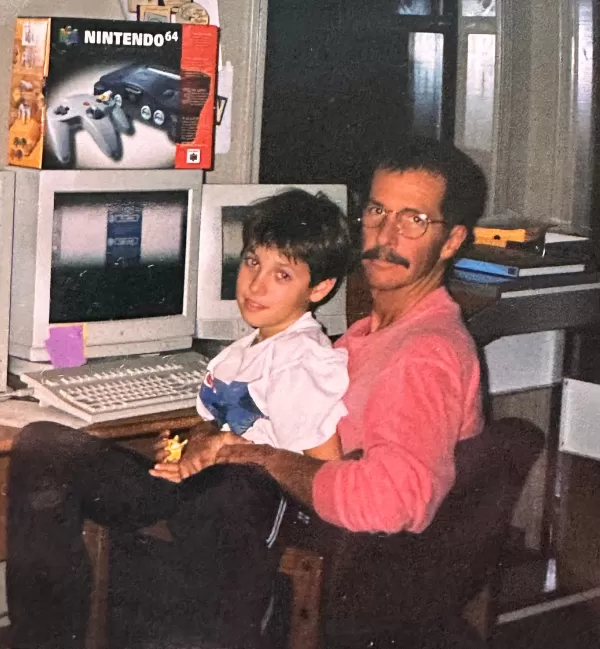
Tasked with creating Pokémon's visual identity from limited references—including early merchandise and Nintendo Power previews—Maple worked tirelessly on his light table. His challenge: develop a logo legible on Game Boy screens while capturing the franchise's spirit.
Original Pokemon Logo Sketches Evolution
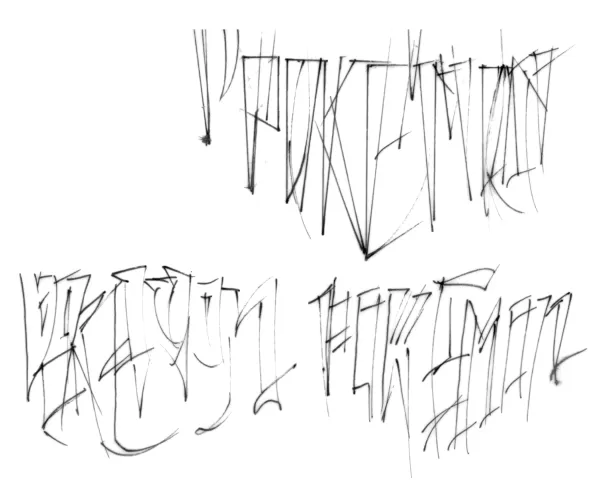
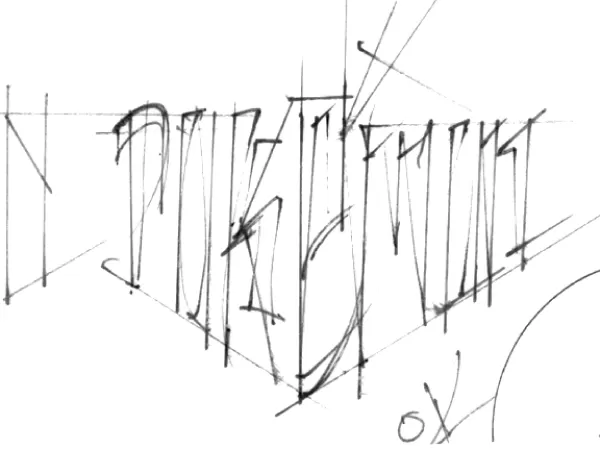
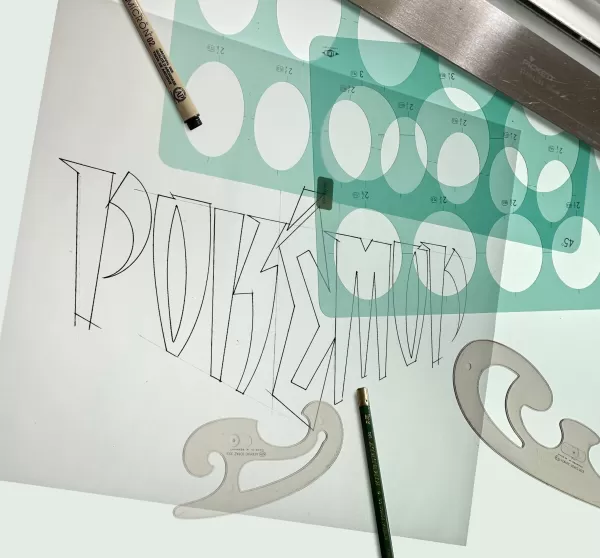
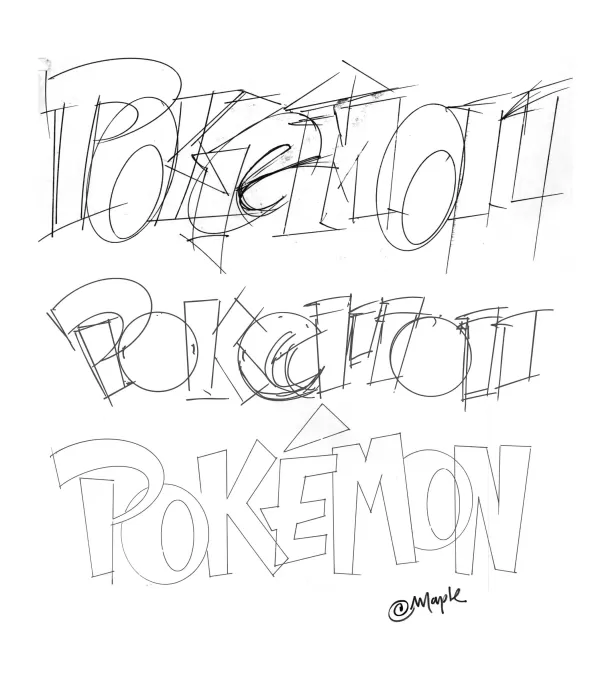
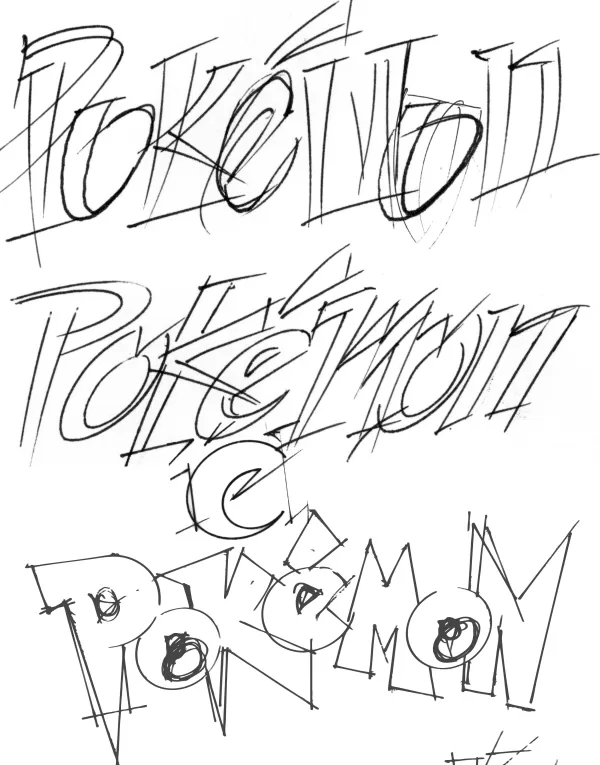
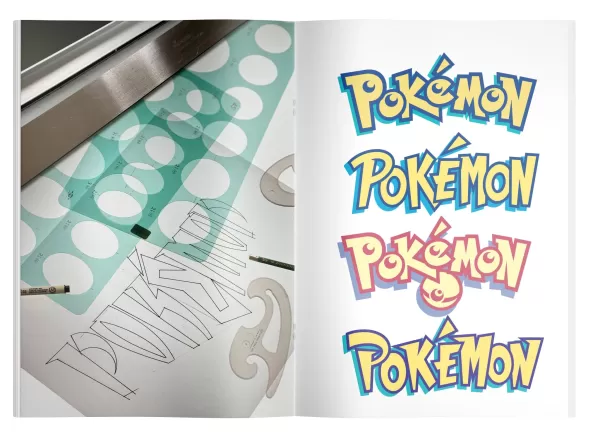
"The chosen design simply felt right—there was energy in those shapes," Maple explains of the instantly recognizable yellow-and-blue mark. After Nintendo's approval, Maple finalized the logo with subtle refinements to the P and E characters.
A Lasting Cultural Impact
Maple's design appeared everywhere after Pokémon's Western debut—particularly memorable was seeing it dominate a Toys 'R' Us display. Though his collaboration with Nintendo continued on projects like Major League Baseball Featuring Ken Griffey Jr., the Pokémon logo remains his most enduring contribution.


Now sharing his story publicly at his son's encouragement, Maple reflects on designing what became gaming's most recognizable brand mark: "There's tremendous responsibility in creating something that millions would adopt as part of their childhood."
Modern Logo Applications
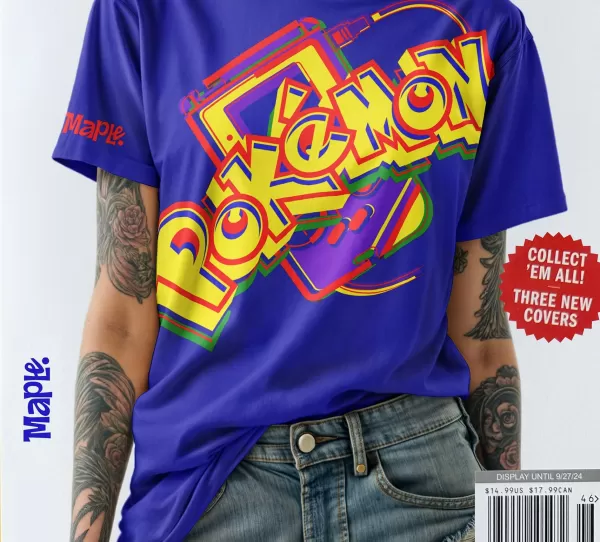
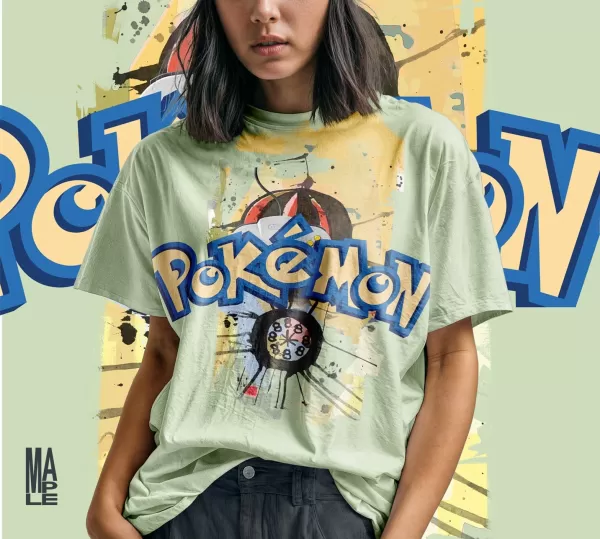
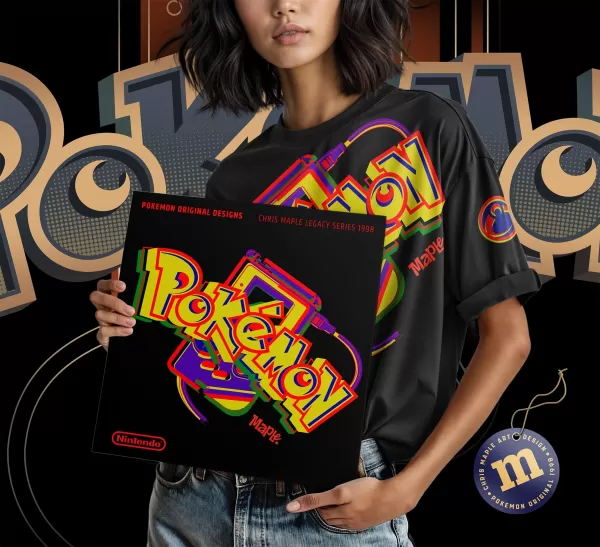
"When I teach design now and students learn I created the Pokémon logo, classrooms erupt," Maple shares. As the franchise approaches its 30th anniversary, he hopes to contribute anniversary branding—maintaining the integrity of his original vision while celebrating Pokémon's remarkable journey.