What's the current state of BioWare? The future of Dragon Age remains unclear, while worries grow about the next Mass Effect installment. Let's explore these concerns in detail.
Dragon Age: The Veilguard was meant to mark BioWare's triumphant return to form – delivering immersive RPGs with rich storytelling. Instead, it disappointed fans spectacularly. On Metacritic alone, 7,000 players rated it just 3/10, while Electronic Arts confirmed sales reached only half their projections.
BioWare's RPG pipeline now faces uncertainty, casting shadows over both Dragon Age's future and Mass Effect's next chapter.
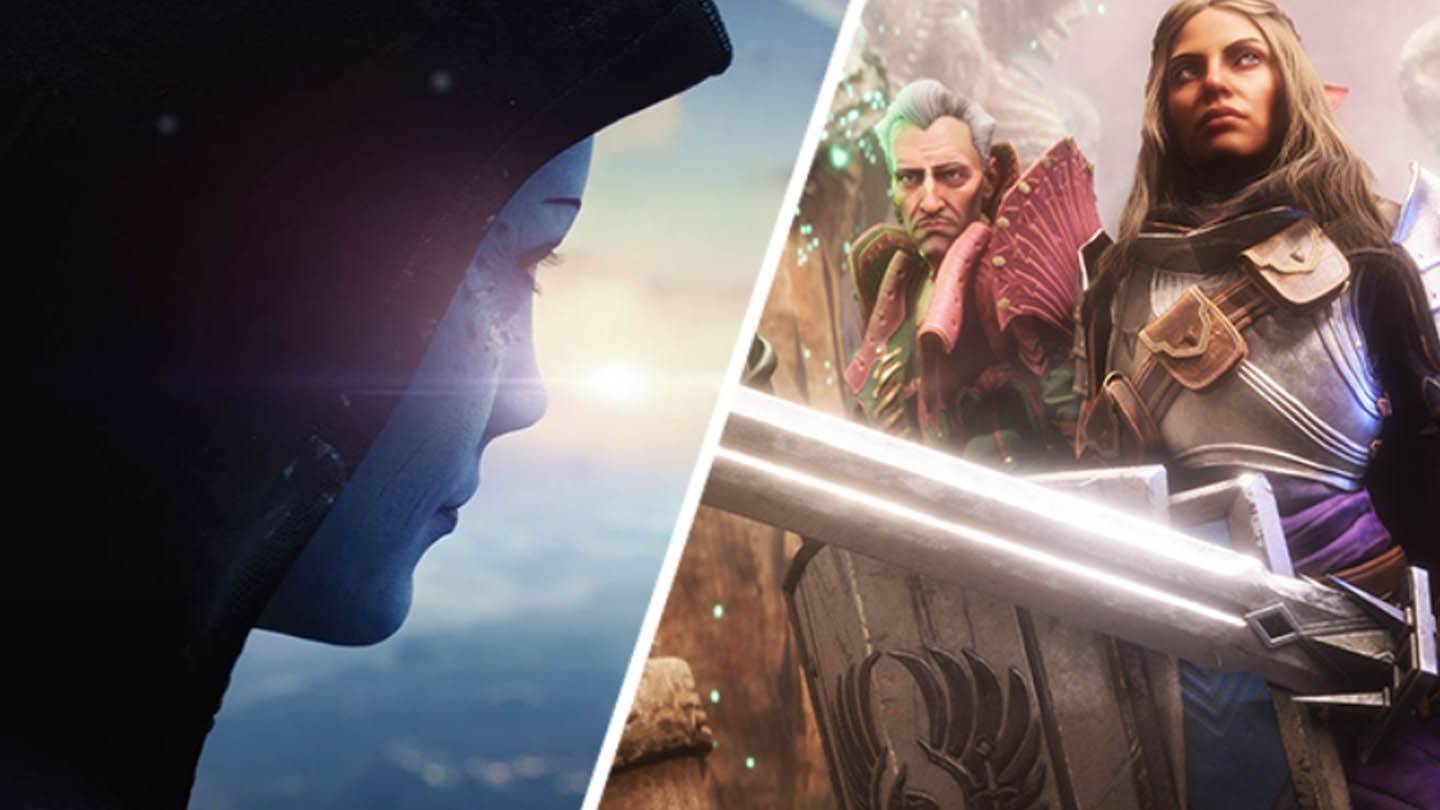 Image: x.com
Table of Contents
The Troubled Development of Dragon Age 4 Key Staff Departures From BioWare How Dragon Age 4 Borrowed From Mass Effect – And Failed Does Dragon Age Have a Future? The Outlook for Mass Effect 0 0 Join the Discussion
The Troubled Development of Dragon Age 4
Dragon Age 4 endured nearly a decade of false starts despite minimal actual progress. Following Dragon Age: Inquisition's success in 2016, franchise lead Mark Darrah outlined ambitious plans:
Dragon Age 4 targeting 2019-2020 release A fifth installment within 1.5-2 years Dragon Age 6 concluding the trilogy by 2023-2024
BioWare envisioned transforming Dragon Age into an RPG powerhouse rivaling The Elder Scrolls, with EA's full financial backing. But late 2016 saw resources redirected to BioWare Montreal's Mass Effect: Andromeda. After Andromeda's failure led to the studio's closure, most staff shifted to Anthem development, leaving Dragon Age 4 relegated to paper concepts handled by a skeleton crew until 2019.
EA's push for live-service games (à la Destiny) in 2017 temporarily transformed Dragon Age 4 (codenamed Joplin) into a multiplayer-focused experience with recurring monetization. Only after Anthem's 2019 failure did BioWare convince EA to revert to single-player design, rebooting development as Project Morrison – despite losing critical time rebuilding teams.
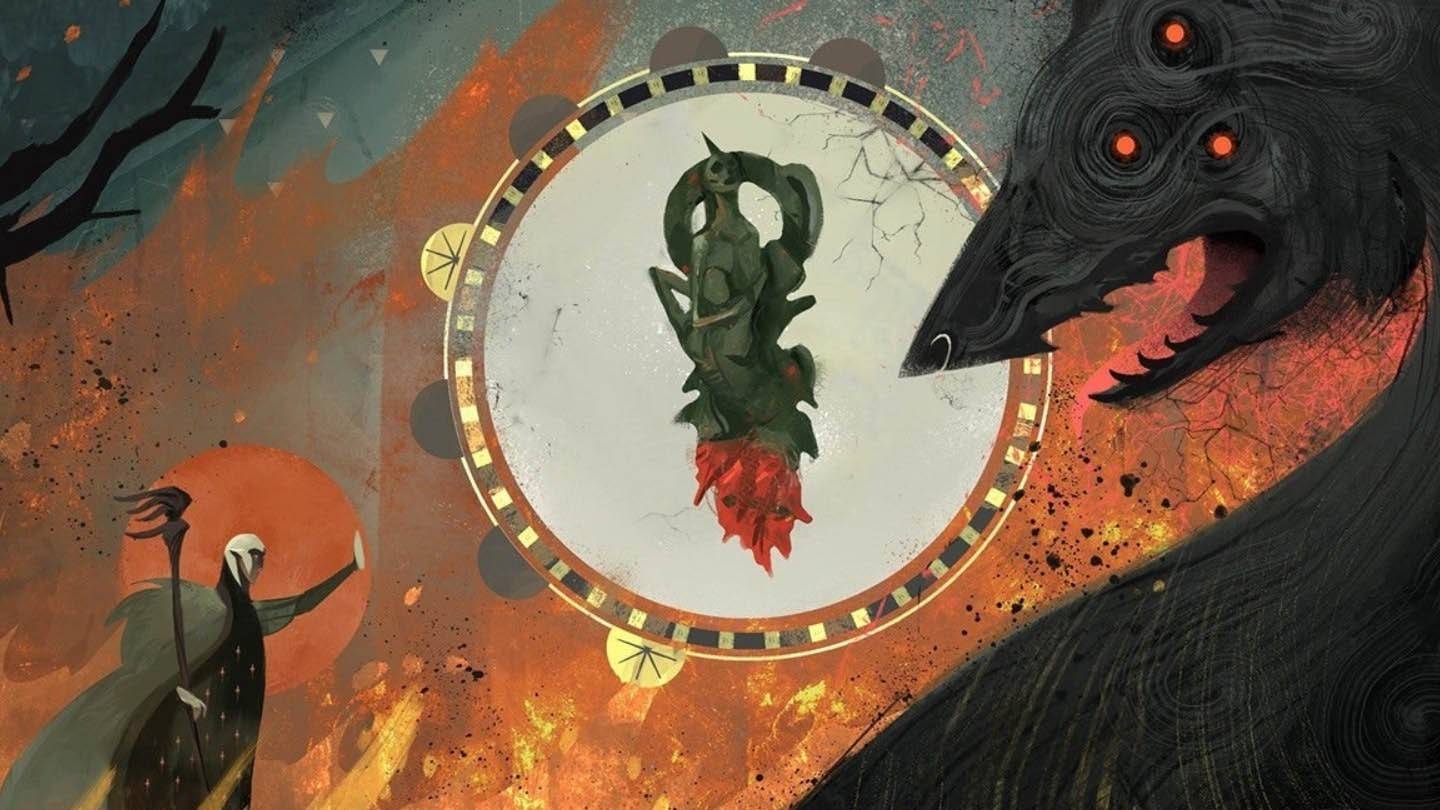 Image: x.com
Finalized as Dreadwolf in 2022, last-minute narrative changes shifted focus to the protagonist's team rather than Fen'Harel, prompting the Veilguard rebrand.
Upon its October 2024 launch, The Veilguard garnered positive critic reviews but moved just 1.5 million copies – barely half EA's projections.
Key Staff Departures From BioWare
The Veilguard's underperformance triggered major BioWare restructuring under EA. Layoffs and internal transfers reduced staff significantly, including several franchise veterans:
Patrick
and Karin Weekes: Twenty-year BioWare veterans who wrote for every Mass Effect and key Dragon Age titles (Origins, Inquisition, Veilguard). Patrck created iconic characters including Tali'Zorah, Solas, and Iron Bull while expanding lore through novels like Empire of Masks.Corinne Bouche, The Veilguard's game director, departed in January 2025 for a new RPG project after stabilizing BioWare's development pipeline.Cheryl Chi, designer of Leliana, Cullen, and Blackwall, joined Motive Studio.Silvia Feketekuti exited after crafting Liara and Josephine Montilyet over 15 years.John Epler, creative director behind Mass Effect and Bellerophon, moved to Full Circle's Skate project.
The exodus also claimed producer talent (Jennifer Shaver, Daniel Sted), narrative specialists (Ryan Cormier), and product leadership (Lina Anderson). BioWare's team shrank from 200 to under 100 employees.
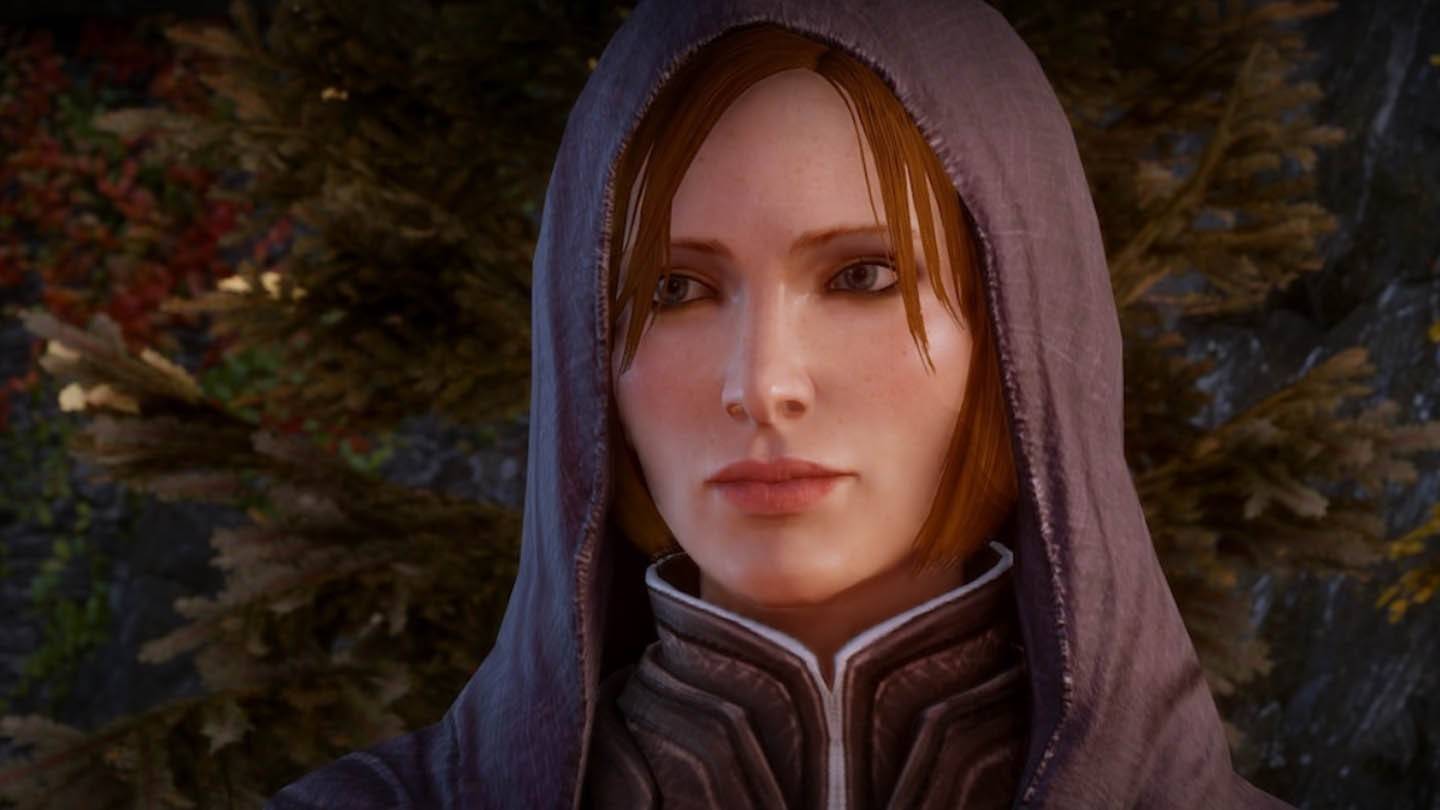 Image: x.com
While post-release downsizing is standard, BioWare survives – just severely reduced. EA redistributed resources elsewhere while retaining a core Mass Effect team under veteran leadership.
How Dragon Age 4 Borrowed From Mass Effect – And Failed
Interviews revealed The Veilguard borrowed heavily from Mass Effect 2's companion mechanics and ME3's Citadel DLC-style character moments. Its climax aimed to replicate ME2's Suicide Mission stakes, where relationships dictated survival.
Late-stage additions attempted deeper choice consequences surpassing ME3's impact – particularly regarding faction alliances. Yet despite promising mechanics, critical RPG elements faltered:
The Dragon Age Keep save importer became functionally obsolete World-building ignored preceding games' consequences Central figures like Morrigan and Solas were deprioritized Political/religious complexity gave way to superficial storytelling Dialogue trees lost nuance and consequence
Essentially, Veilguard succeeds as action-adventure but fails both as RPG and Dragon Age successor.
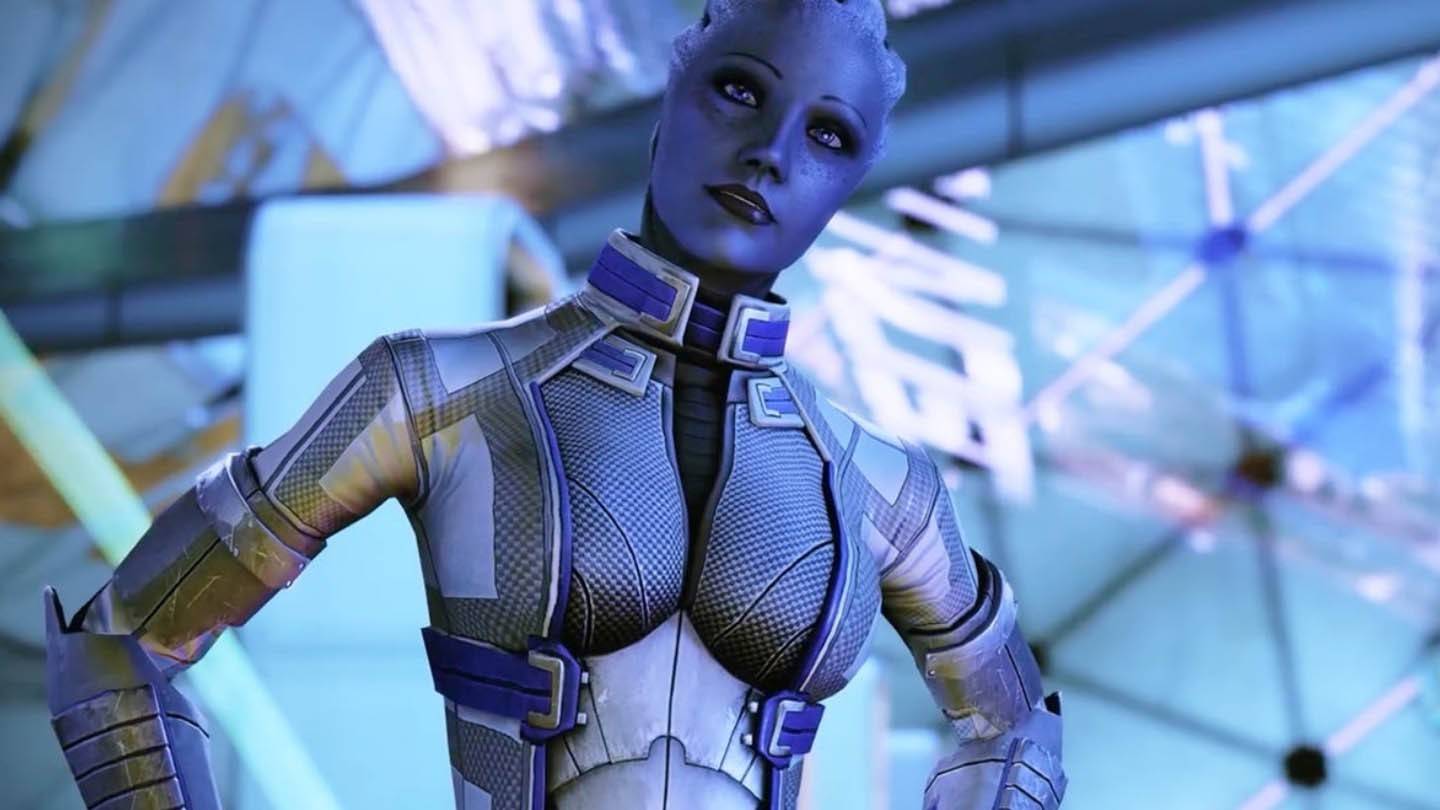 Image: x.com
Does Dragon Age Have a Future?
EA leadership hinted The Veilguard might've fared better retaining its live-service model.
"Modern games demand multiplayer engagement," CEO Andrew Wilson noted.
CFO Stuart Kent acknowledged its struggles against competing single-player RPGs.
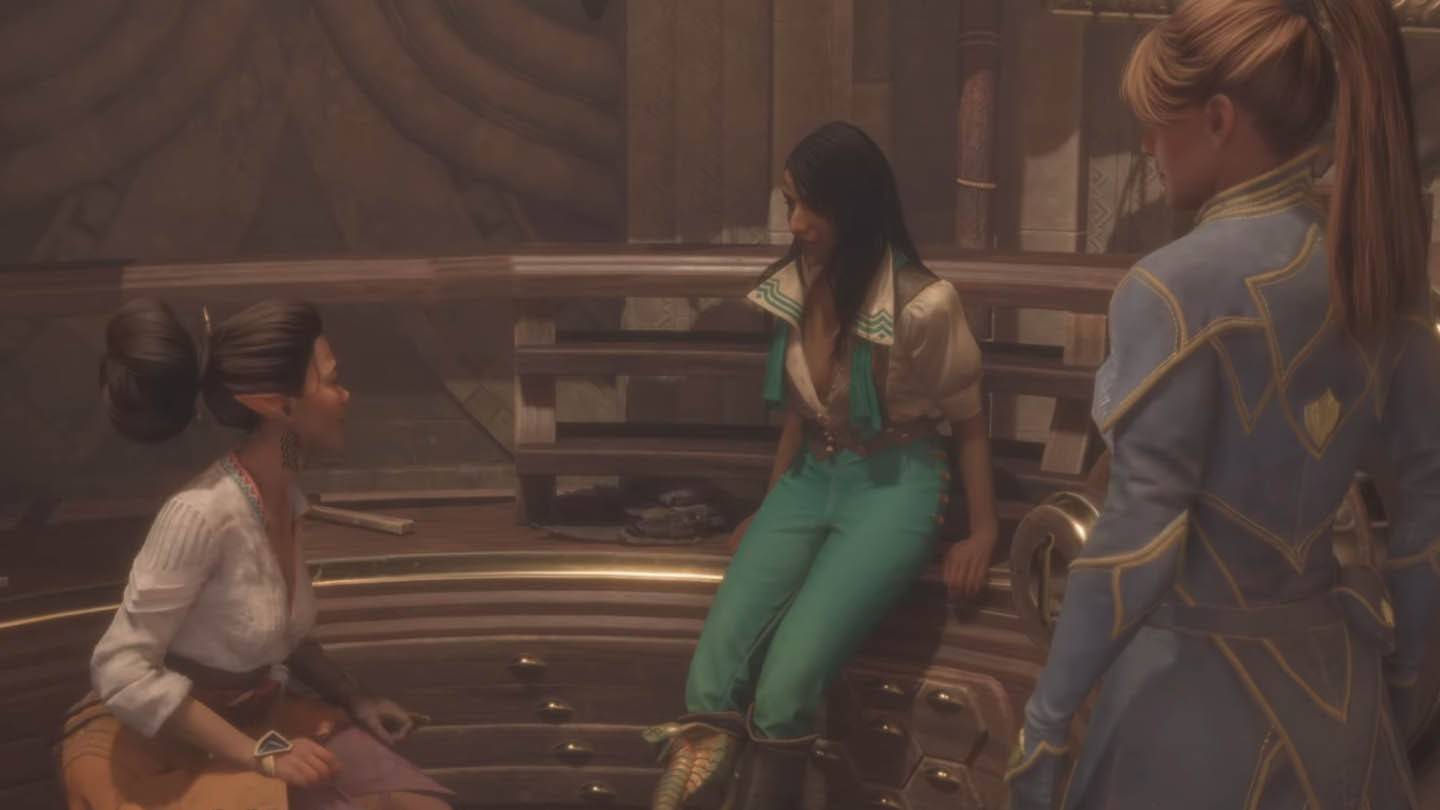 Image: x.com
2024 financial reports highlighted EA's sports titles and Battlefield investments – neither Dragon Age nor Mass Effect merited mention. Though departing creatives expressed interest in exploring Qunari/dwarven storylines, their exits render such plans unlikely.
The franchise may return eventually – but transformed. As writer Cheryl Chi observed:
Dragon Age endures through its community. While EA controls the rights, its spirit belongs to everyone.
The Outlook for Mass Effect
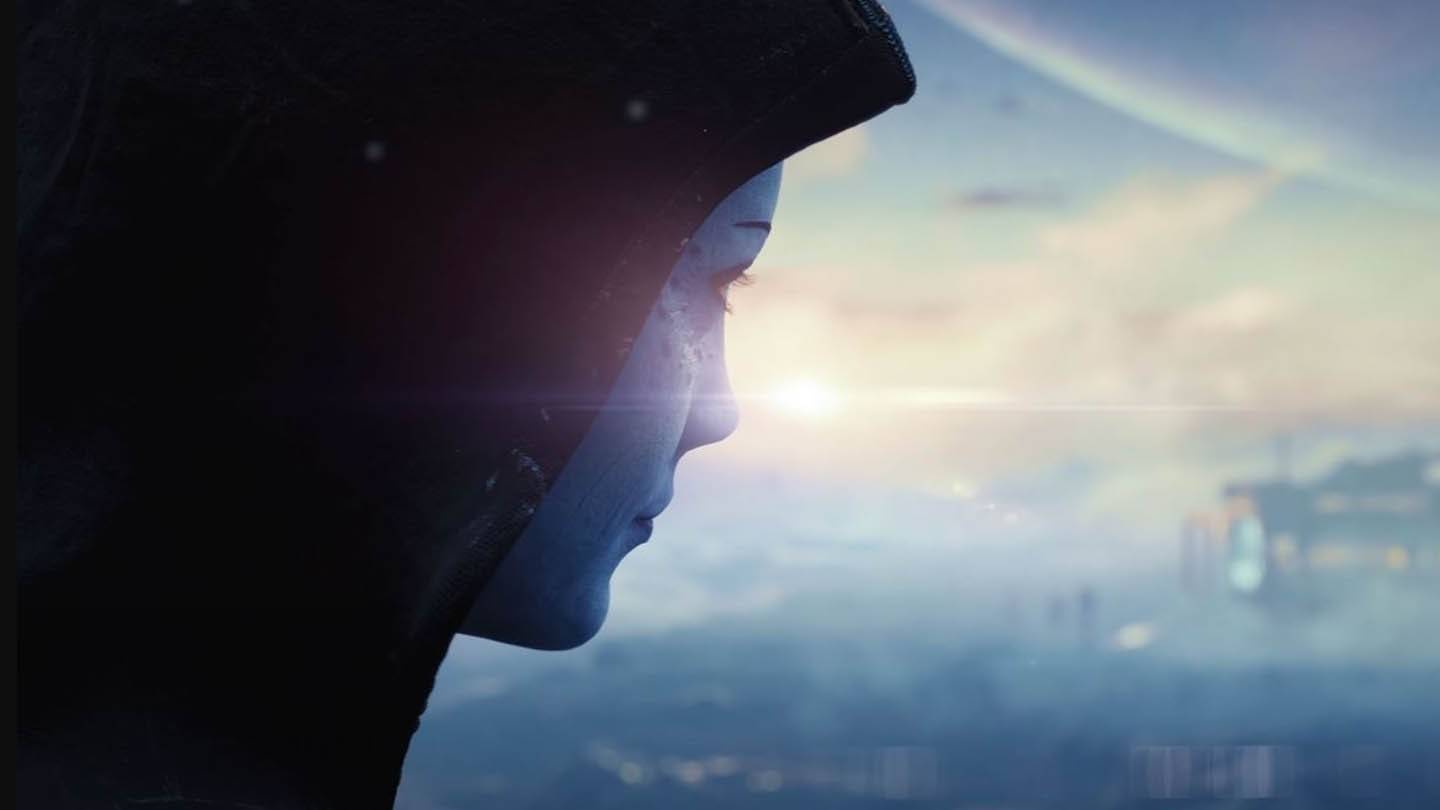 Image: x.com
Announced in 2020, Mass Effect 5 remains BioWare's sole major project – albeit with a diminished team under GM Michael Gamble and original trilogy veterans (Derek Watts, Parry Ley).
Details remain sparse, but indications suggest:
Photorealistic visual direction Connections to both original trilogy and Andromeda Likely 2027+ release window
Here's hoping it avoids Veilguard's development turmoil and narrative compromises.